Top 12 Mistakes to Avoid While Setting Up a Home Theatre
A home theatre system can completely transform your entertainment experience, but proper planning is important to achieve the best sound and overall picture quality. Many homeowners invest in premium audio and video equipment without considering important factors like room acoustics, speaker placement, lighting, seating, and ventilation. Even small setup mistakes can affect overall performance and comfort.
Understanding the most common home theatre installation mistakes helps you avoid unnecessary expenses and performance issues in the future. From selecting the right components to professional calibration and installation, careful planning ensures a more immersive, comfortable, and cinematic experience at home. Let's check out basic common mistakes peoples make while setting up hometheatre.
What are the Basics of a Home Theatre Setup?
Before learning the common mistakes, it is important to understand a few basic factors that directly affect sound quality, viewing comfort, and overall performance. Proper room selection, seating arrangement, acoustics, and equipment positioning play a major role in creating a true cinematic experience at home. Avoid these basics can lead to poor audio balance, uncomfortable viewing angles, and reduced system performance.
If you are planning a complete entertainment setup, understanding the connection process is equally important. Read our detailed guide on how to connect home theatre to TV before starting your installation.
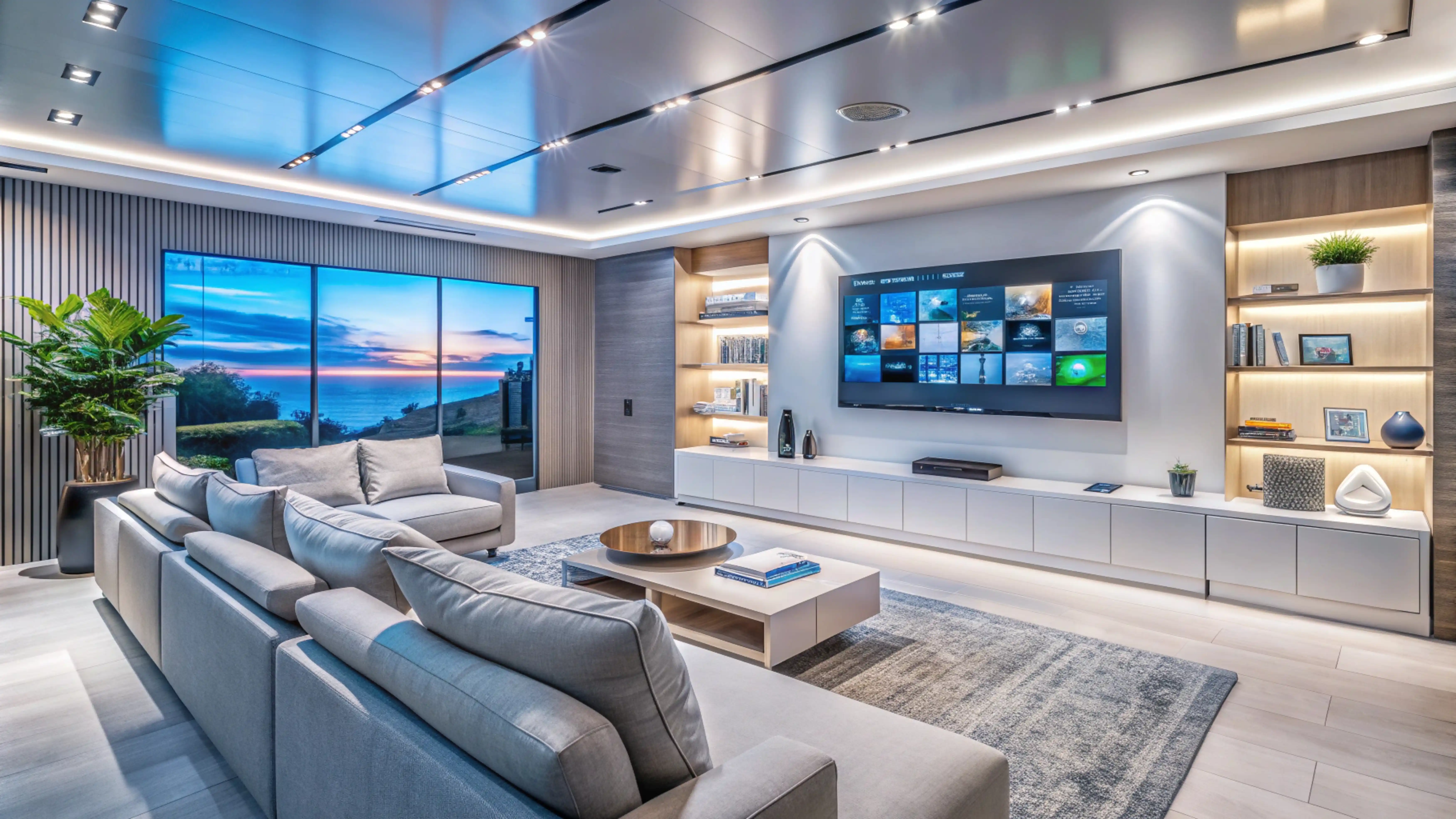
What are the Top 12 Common Home Theatre Setup Mistakes
Many homeowners invest in premium home theatre systems but overlook important setup factors that directly affect sound quality, picture clarity, and overall comfort. But Understanding these common mistakes can help you create a more immersive and professional entertainment experience while avoiding unnecessary expenses in the future.
1. Ignoring Room Acoustics
Poor room acoustics can reduce the overall sound performance of even high-end home theatre systems. Many homeowners focus only on premium speakers and displays without considering how the room affects sound clarity, bass, and surround sound performance. Hard surfaces, empty spaces, and improper room design can create echo, distortion, and reduce the overall cinematic experience.
- ● Why Acoustic Treatment Matters: Acoustic treatment helps improve sound clarity by reducing unwanted echoes and distortions inside the room.
- ● Sound Reflection and Echo Problems: Hard surfaces can create sound reflections and echo issues that negatively affect audio quality.
- ● Importance of Acoustic Panels and Bass Traps: Acoustic panels and bass traps help balance sound frequencies and improve listening comfort.
2. Poor Speaker Placement
Incorrect speaker positioning can affect surround sound balance and reduce the cinematic experience. Even premium speakers may fail to deliver clear and immersive audio if they are not placed correctly within the room. Poor speaker placement can create uneven sound distribution, weak dialogue clarity, distorted surround effects, and unbalanced bass performance.
- ● Incorrect Front Speaker Positioning: Improper front speaker placement can weaken dialogue clarity and stereo imaging.
- ● Improper Placement of Surround Speakers: Incorrect placement of surround speakers may create uneven or unrealistic sound effects.
- ● Neglecting Subwoofer Placement: Wrong subwoofer positioning can result in weak bass or excessive vibrations.
- ● Speakers Placed Inside Furniture: Placing speakers inside cabinets can block sound dispersion and reduce audio quality.
3. Choosing the Wrong Screen Size or Placement
Screen size and positioning play a major role in viewing comfort and image quality. A screen that is too large or too small for the room can affect immersion, while incorrect placement may cause eye strain and uncomfortable viewing angles. Many homeowners overlook factors like seating distance, screen height, and room dimensions during installation.
- ● Wrong Height of Screen: A poorly positioned screen can cause neck strain and uncomfortable viewing angles.
- ● Wrong Viewing Distance: Sitting too close or too far affects picture clarity and immersive viewing experience.
- ● Selecting the Correct Aspect Ratio: Choosing the correct aspect ratio improves content display and viewing consistency.
- ● Ignoring Screen Material and Image Quality: Low-quality screen materials may reduce brightness, contrast, and picture sharpness.
4. Improper Lighting Setup
Lighting conditions mostly affect picture visibility and cinematic ambience. High brightness, direct lighting, and unwanted reflections can reduce screen clarity, colour accuracy, and overall viewing comfort. Many home theatre setups fail to achieve a true cinematic atmosphere because lighting is not properly planned during installation.
- ● Wrong Lighting in the Room: Excessive lighting can reduce screen visibility and viewing comfort.
- ● Glare and Reflection Issues: Direct reflections on the screen may affect picture clarity and colour accuracy.
- ● Importance of Ambient Lighting Control: Controlled ambient lighting improves visual comfort and enhances the theatre atmosphere.
5. Overlooking Seating Arrangement and Comfort
Proper seating layout is essential for comfortable long-duration entertainment. Incorrect seating positions can affect viewing angles, sound balance, and overall immersion during movies or gaming sessions. Many homeowners focus heavily on audio and display systems while overlooking the importance of seating comfort and room layout.
- ● Incorrect Seating Layout: Poor seating positions may reduce viewing angles and surround sound effectiveness.
- ● Choosing the Wrong Home Theatre Chairs: Uncomfortable seating can negatively affect the overall home theatre experience.
- ● Viewing Angles and Comfort Considerations: Correct viewing angles help improve comfort and picture visibility.
6. Buying Equipment Without Proper Research
Choosing equipment without understanding compatibility and room requirements can lead to poor performance. Many homeowners purchase expensive home theatre components based on trends, brand popularity, or online recommendations without considering whether the equipment actually suits their room size, usage needs, and existing setup. This often results in unbalanced audio, poor picture quality, and connectivity issues.
- ● Buying Based on Trends Instead of Requirements: Trending products may not always suit your room size or entertainment needs.
- ● Prioritizing Price Over Quality: Focusing only on low pricing can compromise long-term performance and durability.
- ● Choosing Subpar Equipment: Low-quality components may reduce both audio and visual performance.
- ● Partial Knowledge of Equipment Compatibility: Compatibility issues can affect connectivity and system functionality.
7. Ignoring the Importance of an AV Receiver (AVR)
The AV receiver acts as the control centre of a home theatre system. It manages audio processing, video switching, speaker connectivity, and overall system performance. Many homeowners underestimate the importance of choosing the right AVR and focus only on speakers or displays, which can limit the full potential of the setup.
- ● Choosing the Wrong AVR: An unsuitable AVR may limit audio processing and connectivity features.
- ● AVR Compatibility Issues: Incorrect AVR selection can create compatibility problems with speakers and displays.
- ● Future Expansion Limitations: Limited AVR features may restrict future upgrades and additional speaker setups.
8. Poor Cable Management and Connectivity Planning
Improper cable planning can affect both aesthetics and system safety. Unorganised wiring can make a home theatre room look cluttered and may also create maintenance difficulties, signal interference, or accidental damage to equipment. Many homeowners overlook cable routing and connectivity planning during installation, which can lead to complicated troubleshooting later.
- ● Ignoring Cable Organization: Messy cables can reduce room appearance and create maintenance difficulties.
- ● Overcomplicating Connections: Complex wiring may increase setup confusion and troubleshooting issues.
- ● Poor Quality Cables and Accessories: Low-quality cables may affect signal transmission and system reliability.
- ● Importance of Surge Protectors: Surge protectors help safeguard expensive equipment from electrical damage.
9. Skipping Audio and Video Calibration
Proper calibration helps optimise overall home theatre performance. Many homeowners install premium audio and display systems but ignore the importance of fine-tuning sound and picture settings after installation. Without calibration, surround sound may feel unbalanced, dialogue clarity can suffer, and display colours may appear inaccurate or unnatural.
- ● Wrong Calibration of Picture and Audio: Incorrect calibration can reduce sound balance and picture accuracy.
- ● Importance of Professional Calibration: Professional tuning ensures accurate audio levels and display settings.
- ● Optimising Sound and Display Performance: Proper calibration improves clarity, colour accuracy, and surround sound immersion.
10. Not Planning for Ventilation and Climate Control
Home theatre systems require proper airflow to maintain stable performance. AV receivers, amplifiers, projectors, and gaming consoles generate heat during extended use, and poor ventilation can lead to overheating, reduced efficiency, and long-term equipment damage. Many homeowners focus only on design and equipment selection while overlooking the importance of cooling and airflow management.
- ● Overheating Risks in Home Theatre Rooms: Poor ventilation can cause equipment overheating and reduced lifespan.
- ● Proper Ventilation for AV Equipment: Adequate airflow helps maintain consistent system performance and reliability.
- ● Importance of Cooling and Airflow: Cooling systems help protect sensitive AV components from heat damage.
11. Ignoring Smart Home Integration
Smart technology can improve convenience and entertainment control in a modern home theatre setup. Many homeowners install advanced audio and visual systems but fail to integrate automation features that can simplify daily usage and improve the overall experience. Without smart integration, controlling lighting, sound, streaming devices, and climate settings may become less efficient and more complicated.
- ● Benefits of Automation in Home Theatres: Automation allows easier control of lighting, sound, and entertainment systems.
- ● Smart Lighting and Voice Control Features: Voice assistants and smart lighting improve user convenience and ambience control.
- ● Integrated Audio and Entertainment Systems: Integrated systems create a seamless and modern entertainment experience.
12. Budgeting Mistakes During Installation
Poor budgeting decisions can affect both performance and long-term value. Many homeowners either overspend on unnecessary premium components or compromise too much on important equipment to reduce initial costs. Focusing only on pricing without understanding room requirements, compatibility, and future upgrades can result in an unbalanced home theatre setup.
- ● Over-Budgeting or Under-Budgeting: Improper budgeting may lead to unnecessary spending or compromised performance.
- ● Focusing Only on Expensive Components: Expensive products alone do not guarantee the best home theatre experience.
- ● Long-Term Value vs Short-Term Savings: Investing in quality components often provides better durability and long-term performance.
Avoiding these common home theatre setup mistakes can make a difference in your overall entertainment experience. From room acoustics and speaker placement to lighting, calibration, seating, and smart integration, every detail plays an important role in creating a truly immersive cinematic environment at home. Proper planning not only improves audio and visual performance but also helps protect your investment for the long term.
If you are planning to build a premium home theatre setup, professional guidance can help you achieve the best results without unnecessary mistakes. HomeConnect Cinemas provides customised home theatre installation, acoustic solutions, smart automation integration, premium audio systems, and complete entertainment setup services designed for modern homes and luxury spaces.