Why Your Next TV Won’t Be a TV: The Rise of Micro-LED and UST
Introduction
Remember when setting up a home theatre meant drilling holes for wires, mounting heavy speakers, and struggling with complicated receivers? Those days are history.
In 2026, the home theatre landscape has shifted entirely. We have moved beyond "smart TVs" into the era of Intelligent Ecosystems. Today’s technology focuses on three pillars: Seamless Wireless Connectivity, AI Optimization, and 8K Visuals.
If you are planning to build or upgrade your entertainment zone this year, here is what you need to know about the tech that is redefining "movie night."
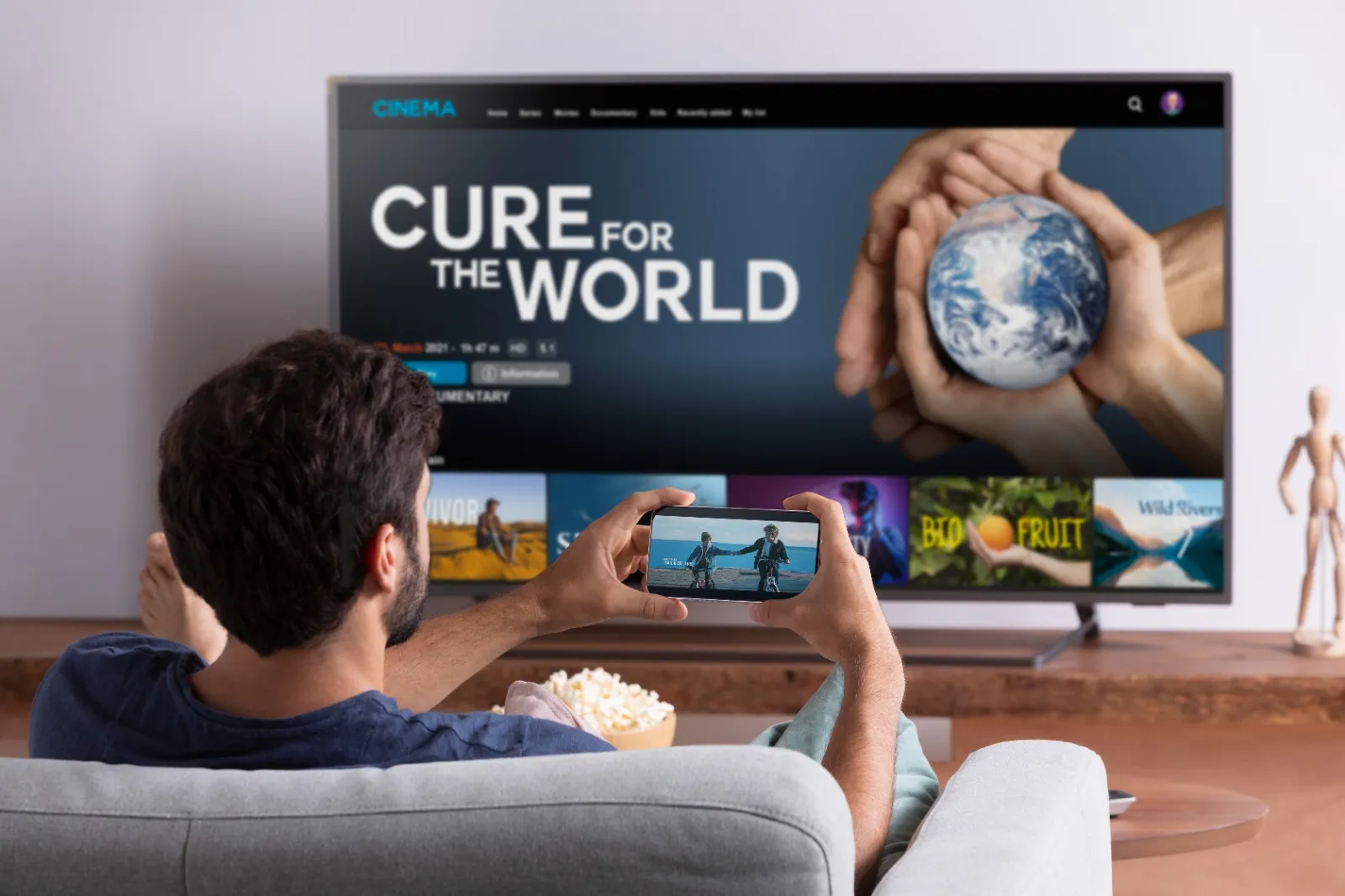
1. Visuals: The Reign of RGB Micro-LED & 8K
LCD and OLED had a good run, but 2026 belongs to RGB Micro-LED. Unlike traditional screens, Micro-LED uses millions of tiny, self-emitting LEDs.
- ● Why it wins: You get the perfect blacks of OLED but with much higher brightness and zero risk of burn-in.
- ● The 8K Standard: With content libraries finally catching up, 8K-ready displays are no longer a luxury they are the new standard for premium viewing, offering four times the detail of 4K.
2. The Rise of Ultra-Short-Throw (UST) Projectors
The days of hanging a bulky projector on the ceiling across the room are over.
Ultra-Short-Throw Projectors are the new "TV killers." You can place these sleek consoles just inches away from the wall and project a massive 100 to 120-inch crystal-clear image. They are laser-powered, work perfectly in daylight, and disappear into your décor when turned off.
3. Audio: Immersive Sound Mapping (Without the Wires)
Sound has gone invisible. The clumsy 7.1 wired speaker setups are being replaced by AI-Driven Soundbar Ecosystems.
- ● 360° Sound Mapping: New soundbars don't just blast audio forward. They use AI to "map" your room, bouncing sound off your walls and ceiling to create a phantom surround sound experience.
- ● Wireless Satellites: If you want physical rear speakers, they now connect wirelessly and run on battery power, meaning you can place them anywhere without tripping over cables.
4. The Brains: AI-Driven Room Calibration
This is the biggest game-changer of 2026. You no longer need an audio engineer to tune your system.
- ● How it works: Your system uses built-in microphones (or your smartphone) to listen to test tones. Within seconds, AI algorithms analyze the acoustics of your room accounting for curtains, furniture, and room shape and optimize the audio profile instantly.
- ● The Result: Perfect, studio-quality sound tailored specifically to your living room, every single time.
Conclusion
The home theatre of 2026 isn't just a collection of gadgets; it is an experience. It is cleaner, smarter, and more immersive than ever before. Whether you are eyeing a massive Micro-LED wall or a discreet UST projector, one thing is clear: Staying home has never looked (or sounded) this good.
Ready to future-proof your entertainment? Explore our latest range of AI-optimized home theatre systems today.